









Campground End-of-Season Maintenance Checklist: What Should You Inspect Before Winter?

Quick Answer: What Maintenance Should I Perform Now That the Camping Season Is Ending?
At the end of the camping season, campground owners should inspect and repair site furnishings, evaluate fire rings and grills, winterize and inspect electrical power equipment, review accessibility features, and clean and service trash and recycling receptacles. Addressing worn or damaged equipment before winter can reduce spring maintenance, help prevent further deterioration, and give you time to plan replacements before the next busy season.
Closing your campground for the season involves more than shutting off utilities and locking buildings. Outdoor equipment has spent months exposed to guests, weather, heat, moisture, ash, food waste, vehicles, and everyday wear.
An end-of-season inspection gives campground owners an opportunity to identify problems while the season is still fresh in mind. It can also help you separate equipment that simply needs maintenance from furnishings that should be replaced or upgraded before guests return.
Use this campground end-of-season checklist to evaluate the areas that can have the greatest impact on site readiness next season.
What Should Campground Owners Inspect at the End of the Season?
A campground end-of-season inspection should focus on five major areas:
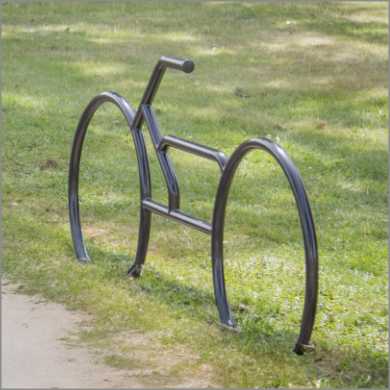
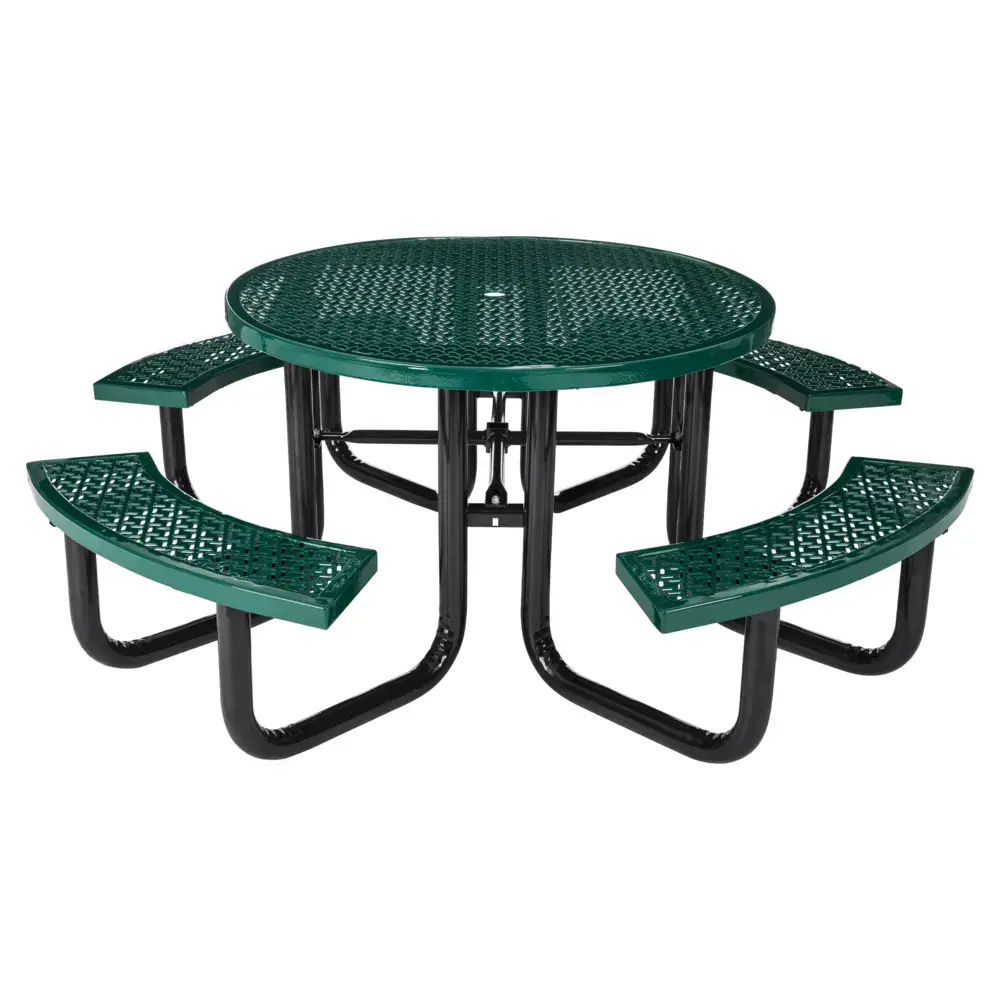
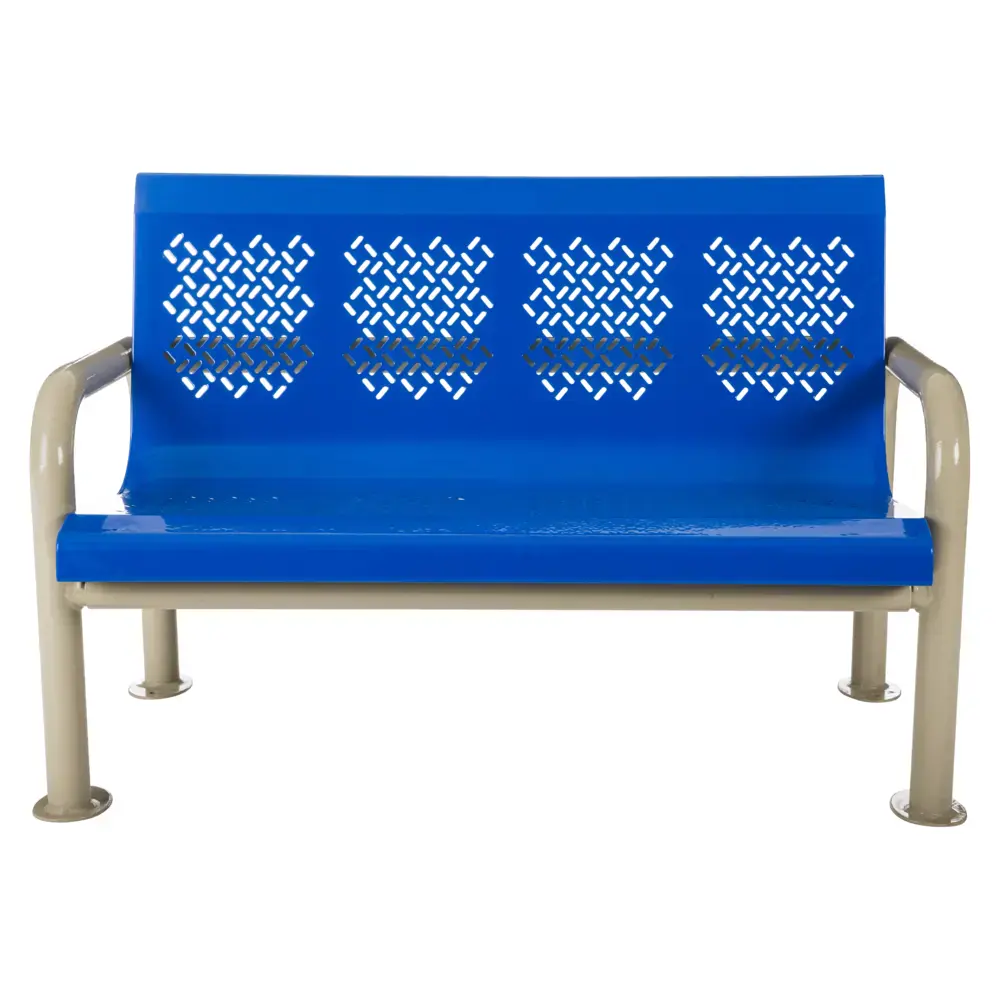
- Site furnishings such as picnic tables, benches, bike racks, and lantern holders
- Fire rings and campground grills
- RV power outlets and other electrical equipment
- Accessible campsites and amenities
- Trash, recycling, and animal-resistant receptacles
Rather than simply checking whether equipment is still present, look closely at its structural condition, mounting, finish, hardware, usability, and location.
Document damaged equipment as you inspect each campsite. Photos and site numbers can make it much easier to prioritize winter repairs and create an accurate replacement list.
How Should I Inspect Campground Site Furnishings?
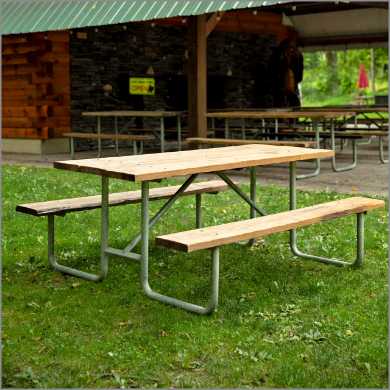
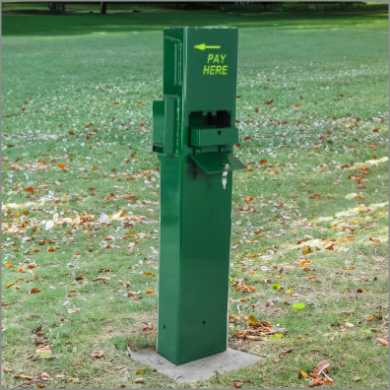
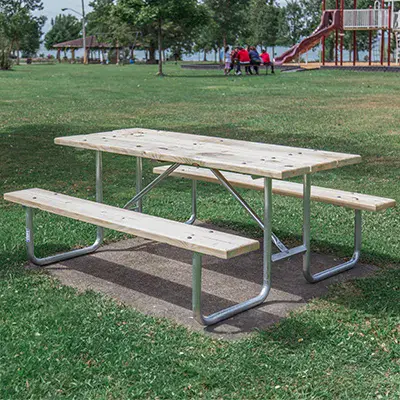
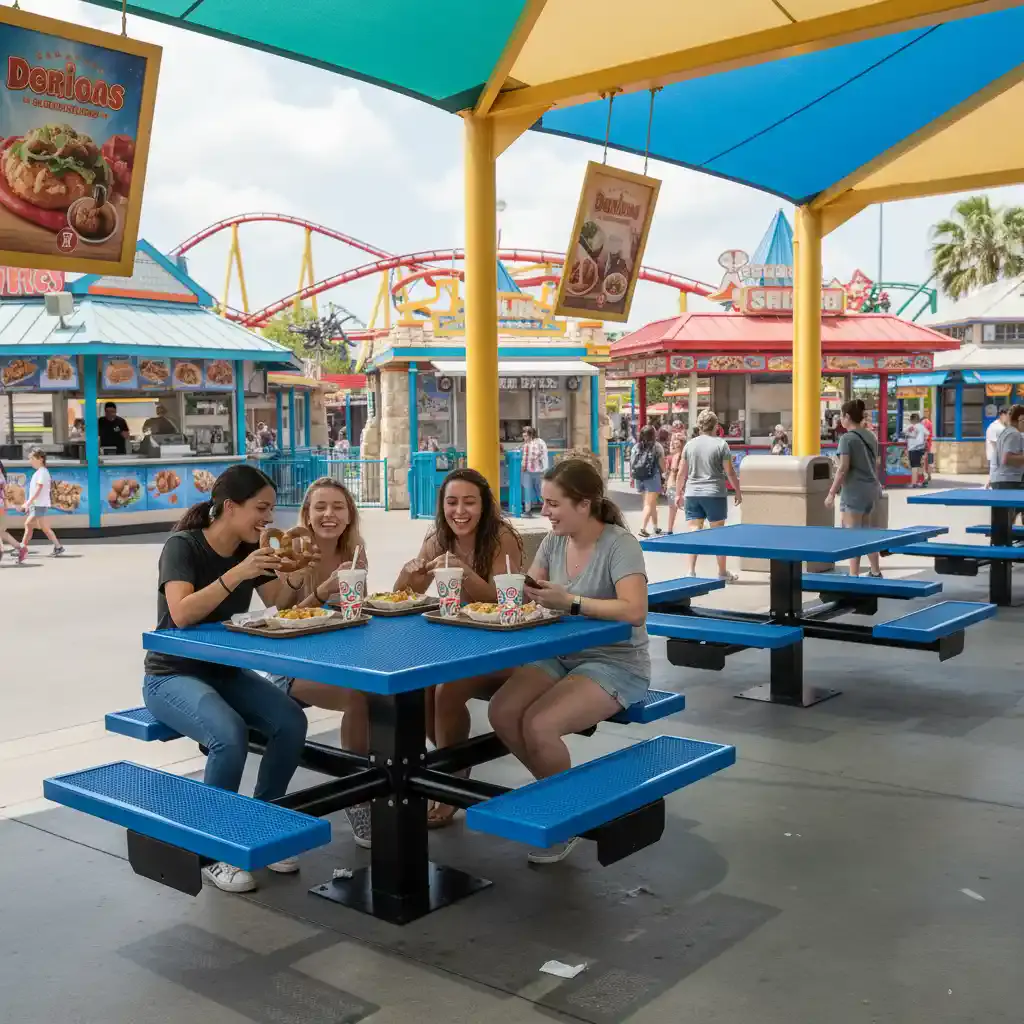
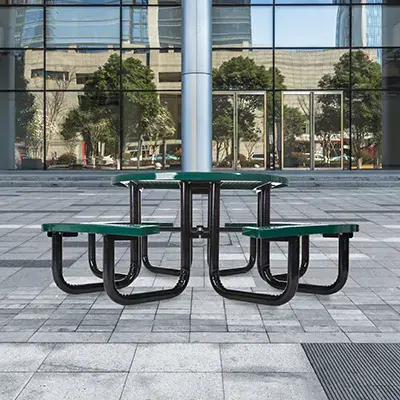
 Picnic tables, benches, lantern holders, bike racks, fee posts, and other campground furnishings should be inspected for structural damage and excessive wear.
Look for:
- Loose or missing hardware
- Cracked, warped, or damaged boards
- Rust or corrosion
- Chipped or damaged protective finishes
- Bent frames
- Broken welds
- Loose anchors or mounting hardware
- Movement in equipment that should be permanently installed
- Sharp edges or damaged components
- Evidence of vehicle, mower, or snow-removal damage
Wood components may require particular attention after a season of exposure to rain, sun, food spills, and repeated use. Recycled plastic lumber, expanded metal, aluminum, and steel components should also be checked for damage or loose mounting points.
Minor issues such as loose hardware or finish damage may be repairable during the off-season. Structural damage, severe corrosion, or repeatedly failing components may indicate that replacement is the better long-term option.
Repair Now or Replace?
The end of the season is a good time to ask whether continued repairs make financial sense.
If the same picnic table, grill, or other amenity requires maintenance every year, replacing it with a more durable commercial product may reduce maintenance demands over time.
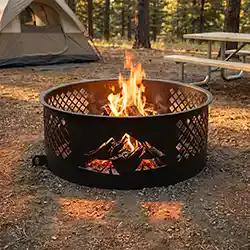
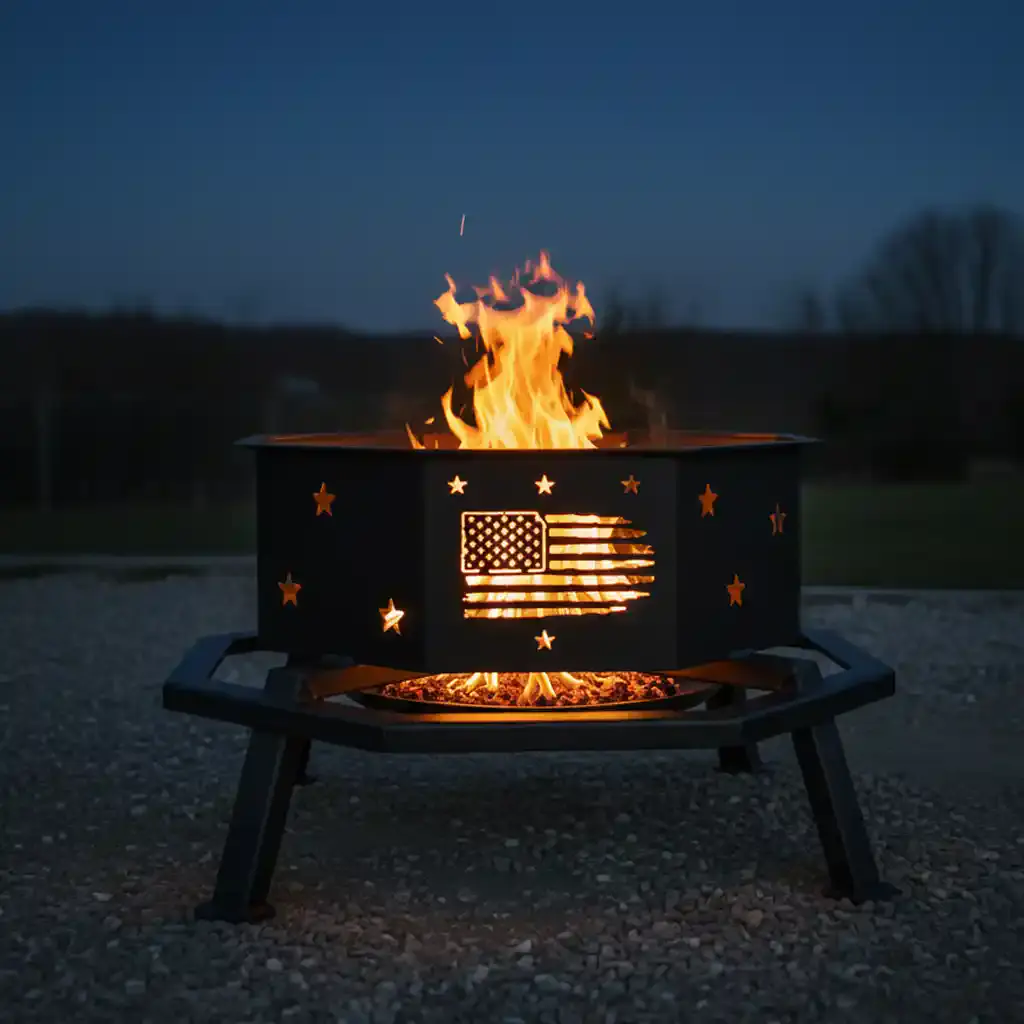
What Should I Check on Campground Fire Rings and Grills?
 Fire rings and grills are exposed to some of the harshest conditions in a campground. Heat, ash, moisture, cooking residue, and repeated guest use can gradually damage steel components.
At the end of the season, remove accumulated ash and debris and inspect each unit carefully.
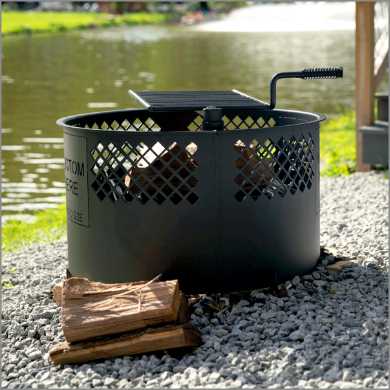
Check Fire Rings For:
- Excessive rust or corrosion
- Thin or deteriorating steel
- Warped fire ring walls
- Cracked or damaged welds
- Loose anchors
- Damaged cooking grates
- Grates that no longer rotate or adjust properly
- Sharp or damaged edges
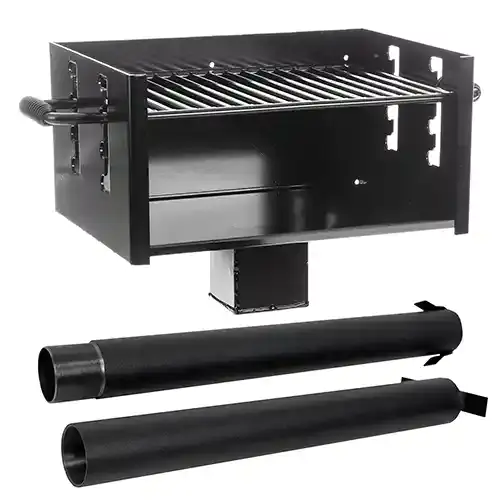
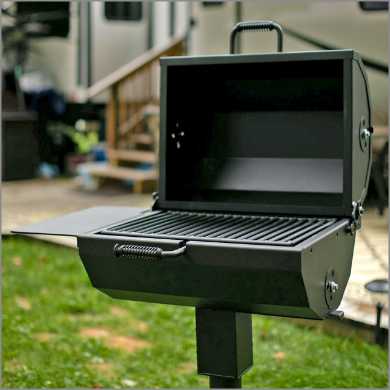
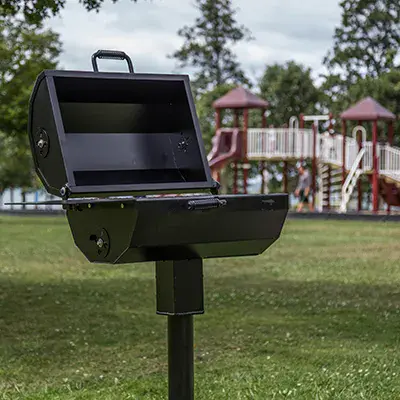
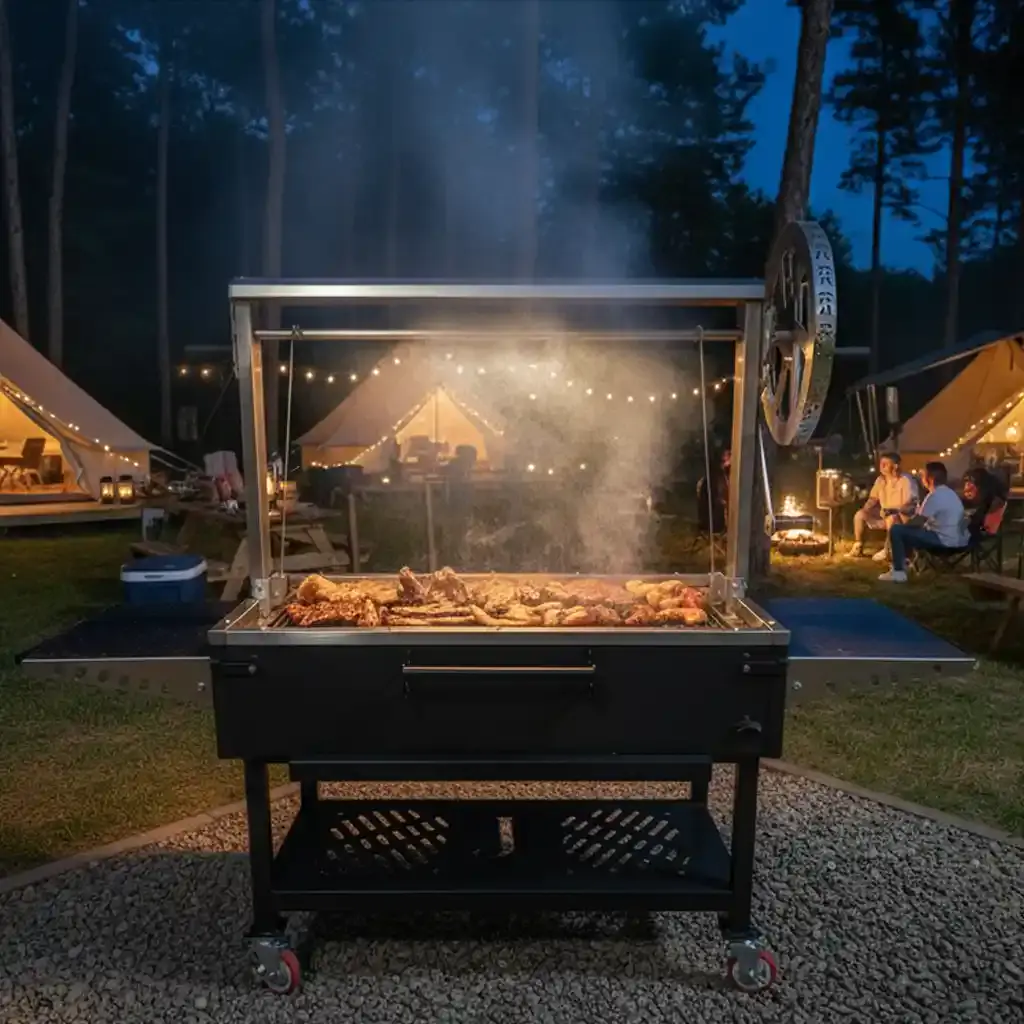
Check Campground Grills For:
- Damaged fireboxes
- Loose or unstable mounting posts
- Corrosion
- Missing hardware
- Bent cooking surfaces
- Grates that no longer adjust correctly
- Excessive grease or food buildup
Cooking surfaces and movable components should operate smoothly and remain securely attached.
If a fire ring or grill has severe heat damage, structural deterioration, or a cooking grate that can no longer be safely supported, replacement should generally be considered before reopening.
Campgrounds planning upgrades can also evaluate whether different sites need different equipment. Standard fire rings may work well for basic campsites, while adjustable or swivel-grate models can provide additional cooking flexibility. High-use areas may benefit from commercial park grills or group grills designed specifically for repeated public use.
How Should I Winterize Campground RV Power Outlets?
 Campground electrical equipment deserves a dedicated inspection before winter.
Before servicing electrical equipment, follow the manufacturer's instructions and applicable electrical requirements. Electrical inspections, testing, repairs, or internal service should be performed by a qualified professional when appropriate.
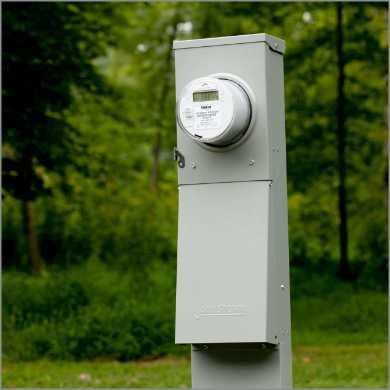
Inspect RV power outlets and pedestals for:
- Damaged covers or doors
- Broken receptacles
- Loose components
- Signs of overheating
- Corrosion
- Water intrusion
- Damaged breakers
- Missing labels
- Loose mounting hardware
- Impact damage
- Deteriorated enclosures
Also check the surrounding area for erosion, damaged concrete pads, exposed conduit, landscaping growth, or other conditions that could affect the installation.
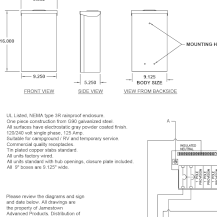
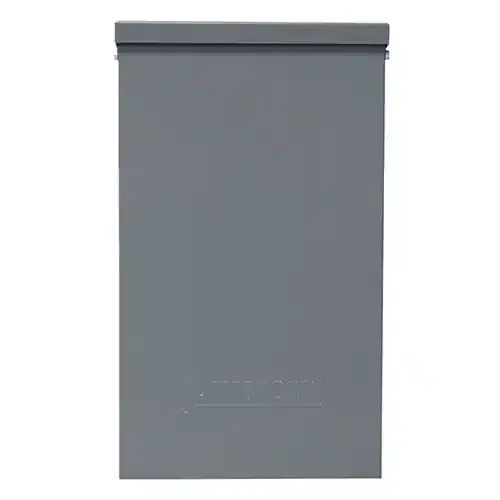
Jamestown Advanced Products offers campground power outlet configurations including surface-mount, direct-burial pedestal, pad-mount, back-to-back, metered, and unmetered options.
ETL-listed, NEMA Type 3R power outlet options are available for outdoor campground applications.
If your park has experienced repeated electrical issues at certain sites, the off-season is an ideal time to investigate the underlying problem rather than waiting until occupancy is high again.
What Accessibility Features Should I Review Before Closing My Campground?
 Accessibility should be part of every campground maintenance inspection.
An accessible product can become difficult to use if surrounding conditions change. Erosion, shifting gravel, landscaping growth, damaged pavement, or incorrectly placed furnishings can interfere with the usable space around an amenity.
Review:
- Accessible picnic tables
- Accessible fire rings or grills
- Lantern holders
- Routes to campsites and amenities
- Clear ground space around equipment
- Parking and campsite surfaces
- Mounting stability
- Obstructions created during the season
Check that accessible features remain usable and that equipment has not been moved into a position that reduces access.
When replacing equipment, consider products specifically designed for accessible campsite layouts, such as ADA-accessible picnic tables, ADA swivel grate grills, and ADA lantern holders.
The off-season also provides time to evaluate older campground loops where accessibility improvements could be incorporated into future renovations.
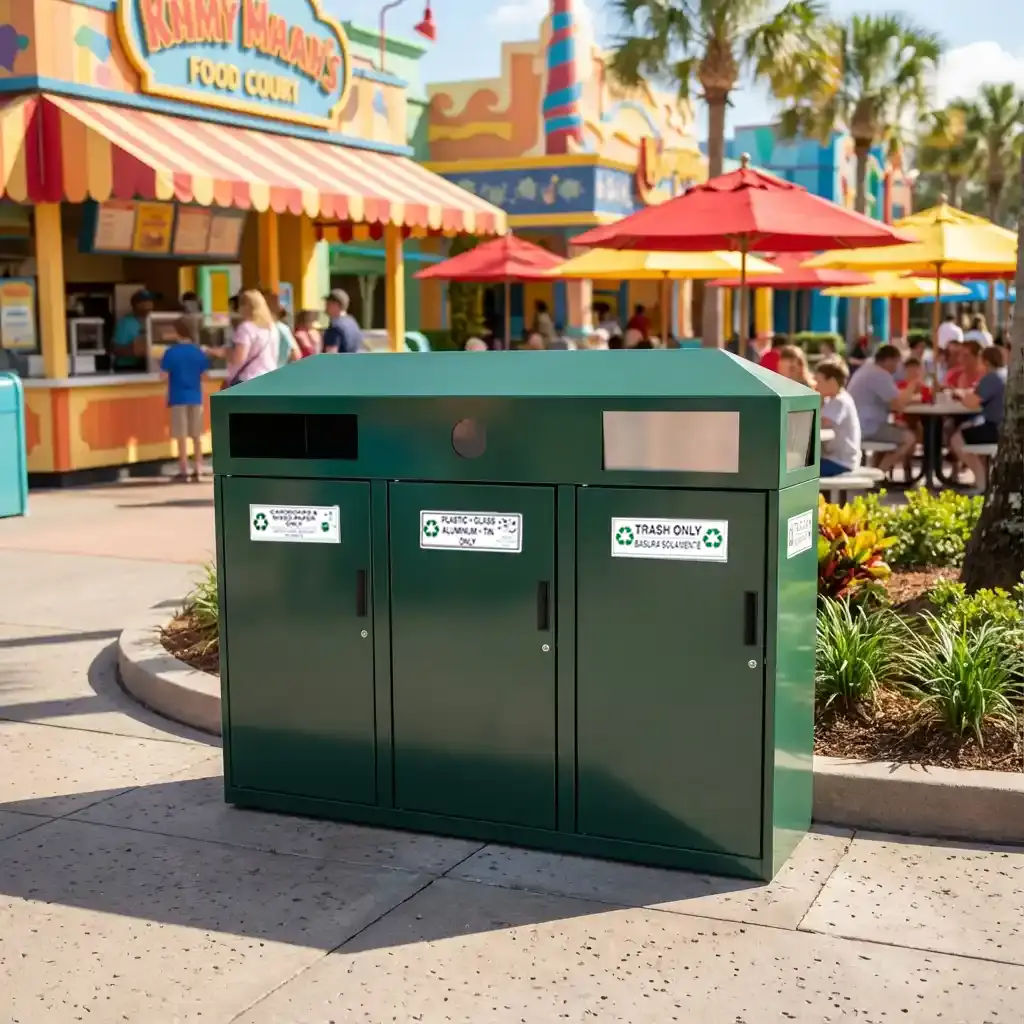
How Should Trash and Recycling Receptacles Be Serviced at the End of the Season?
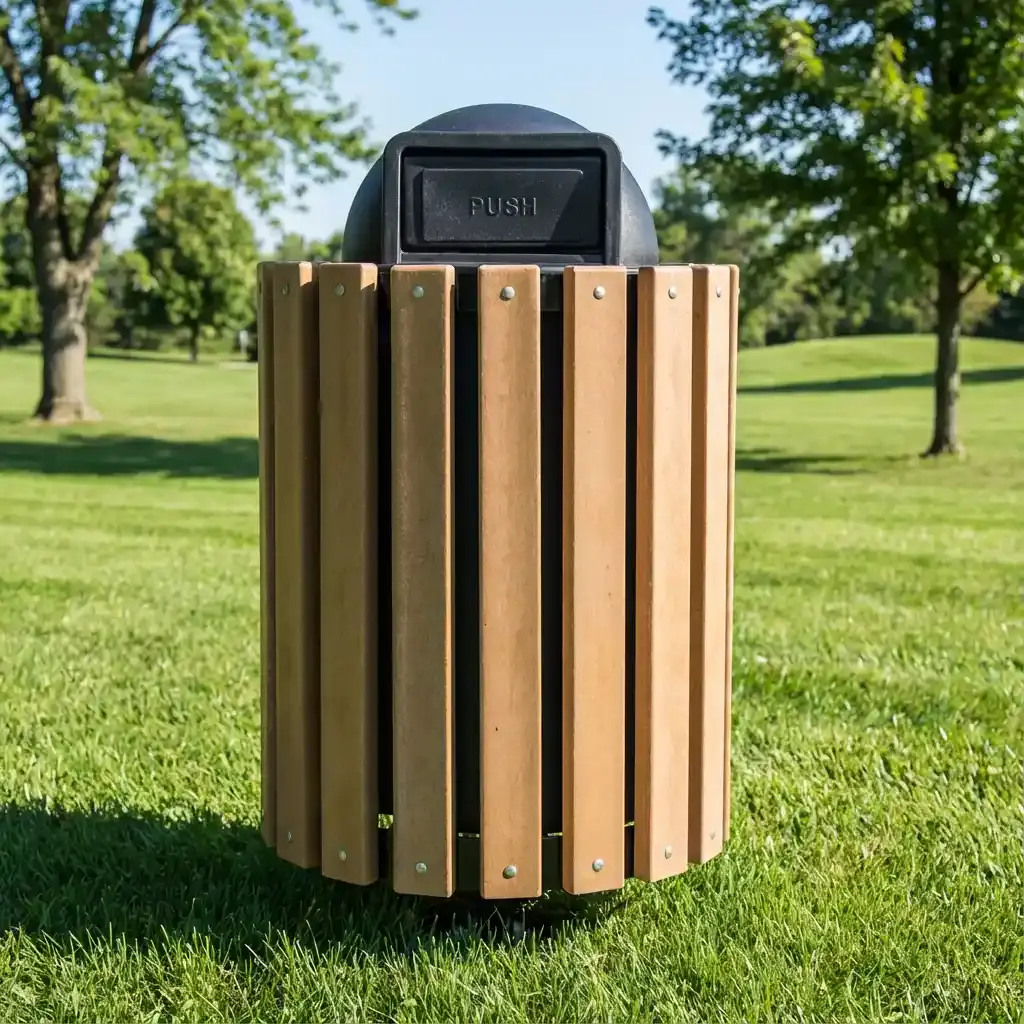
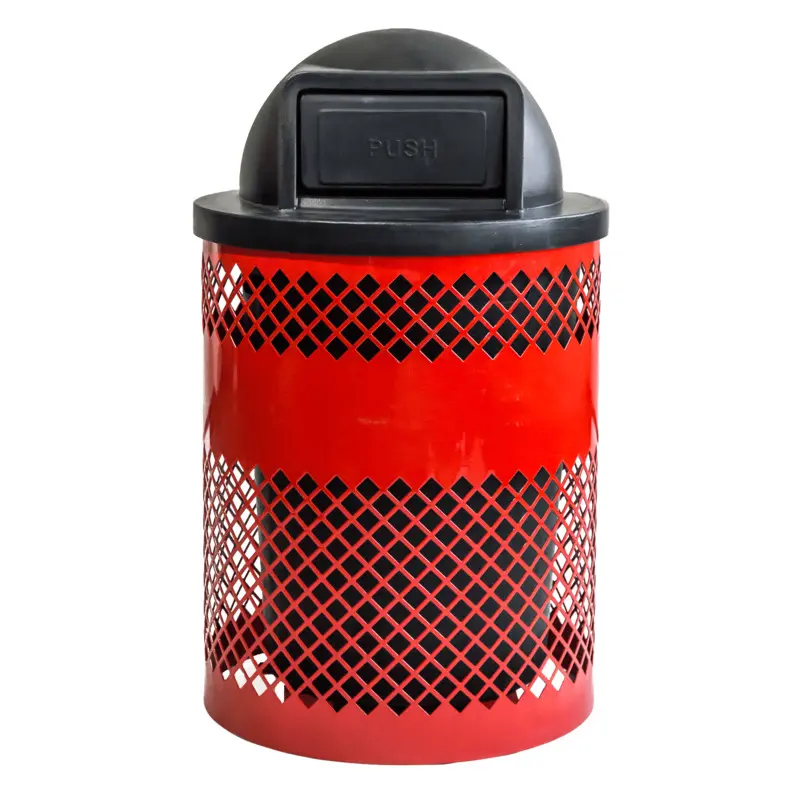
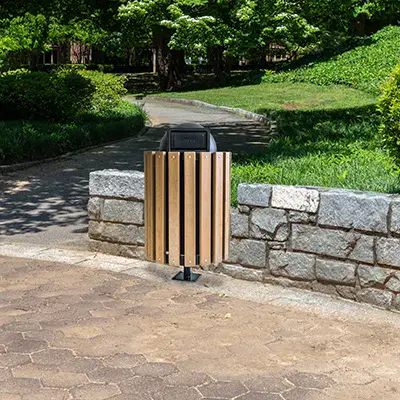
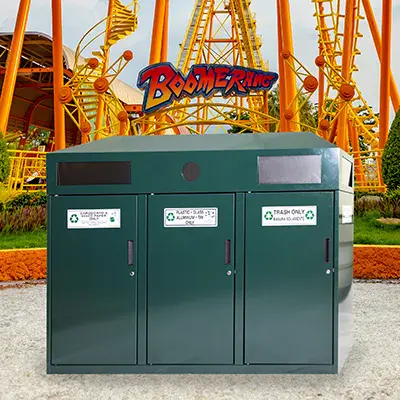
Trash and recycling equipment should be thoroughly cleaned before seasonal closure.
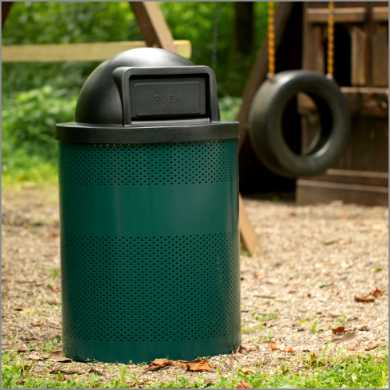
Remove debris and inspect:
- Lids
- Hinges
- Doors
- Liners
- Mounting hardware
- Frames
- Latches
- Powder-coated surfaces
- Animal-resistant mechanisms
Clean food residue from inside and around receptacles. Lingering food waste can attract wildlife even after guest traffic has stopped.
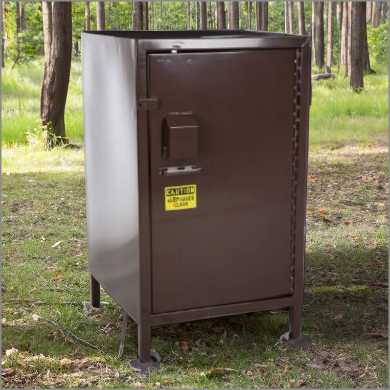
For animal-resistant receptacles, confirm that doors and latching mechanisms still close securely. A damaged latch can defeat the purpose of an otherwise durable enclosure.
Campgrounds in areas with significant wildlife activity may also want to evaluate whether standard receptacles should be replaced with animal-resistant designs.
Campground End-of-Season Equipment Comparison
| Equipment | What to Inspect | Repair May Be Appropriate When | Consider Replacement When |
|---|---|---|---|
| Picnic Tables & Benches | Frames, boards, welds, hardware, finish, and mounting | Hardware is loose or minor finish damage is present | Frames are bent, structural components are failing, or deterioration is widespread |
| Fire Rings | Ring walls, grates, anchors, welds, and corrosion | Grate or hardware requires minor service | Steel is severely deteriorated, warped, or structurally damaged |
| Campground Grills | Firebox, cooking grate, post, and adjustment system | Components need cleaning, tightening, or minor service | Firebox, mounting, or grate support is structurally compromised |
| RV Power Outlets | Enclosure, doors, receptacles, breakers, and mounting | Qualified electrical service can correct isolated issues | Enclosures or major components are damaged or the equipment no longer meets the site's needs |
| Accessible Equipment | Equipment condition, routes, and clear space | Surrounding surfaces or placement can be corrected | Existing equipment no longer supports the campground's accessibility goals |
| Trash/Recycling Receptacles | Lids, doors, liners, hinges, latches, and mounting | Hinges, liners, or hardware require service | Enclosure or animal-resistant mechanism has significant structural damage |
What Campground Equipment Is Best for Different Areas?
There is not one ideal piece of equipment for every campground site. Use your end-of-season inspection to identify where different solutions may make sense.
Best for High-Use Campsites
Choose durable commercial-grade picnic tables, fire rings, grills, and site furnishings designed for frequent public use.
Best for Accessible Campsites
Consider ADA-accessible picnic tables, ADA swivel grate grills, accessible lantern holders, and layouts that maintain appropriate access around each amenity.
Best for RV Sites
Use outdoor-rated campground power equipment appropriate for the required amperage, mounting method, metering requirements, and electrical configuration.
Best for Areas With Wildlife Activity
Consider animal-resistant trash receptacles and bear-resistant food storage solutions where appropriate.
Best for Campground Common Areas
Coordinated picnic tables, benches, bike racks, and trash receptacles can create a more consistent appearance throughout shared spaces.
Best for Branded or Renovated Campgrounds
Custom colors and logo options can help coordinate furnishings with campground branding, municipal colors, resort themes, or existing site design.
How Do I Decide What Campground Equipment to Replace Before Next Season?
1. Address Structural Problems First
Equipment with broken welds, unstable frames, severe corrosion, damaged electrical components, or other major structural problems should receive the highest priority.
2. Review Your Maintenance History
A product that needs to be repaired every season may cost more over time than replacing it with a heavier-duty commercial option.
3. Consider How Frequently the Site Is Used
High-turnover campsites and common areas generally place more wear on furnishings than lightly used primitive sites.
4. Standardize Where Possible
Using consistent picnic tables, grills, fire rings, receptacles, and replacement components can simplify future purchasing and maintenance.
5. Order Before Spring
Waiting until opening preparations begin can leave little time for manufacturing, shipping, installation, and unexpected site work.
Creating your replacement list at the end of the season allows you to budget and schedule projects during the slower months.
What Are Common Campground Closing Mistakes?
Waiting Until Spring to Inspect Equipment
Problems discovered just before opening can create unnecessary pressure and leave little time for replacement.
Looking Only for Obvious Damage
Loose hardware, corrosion, damaged finishes, unstable mounting, and worn moving parts may be easy to overlook until they become larger problems.
Ignoring Accessibility During Maintenance
Accessible equipment needs both properly designed features and usable surrounding space.
Forgetting About Fire Ring and Grill Grates
The main structure may appear intact while adjustable or cooking components have become damaged.
Skipping Electrical Inspections
A damaged door, receptacle, enclosure, or mounting point can become a much larger concern if it goes unnoticed over the winter.
Leaving Food Residue in Waste Equipment
Clean receptacles thoroughly before closure, particularly in areas where wildlife is common.
End-of-Season Campground Maintenance FAQ
When should I perform my campground end-of-season inspection?
Perform the inspection after guest traffic has decreased but before severe winter weather begins. This gives your staff time to identify damage, complete basic repairs, and create a replacement plan.
What campground equipment should be inspected every year?
Inspect picnic tables, benches, fire rings, grills, RV power outlets, trash receptacles, recycling receptacles, accessible equipment, bike racks, lantern holders, and other frequently used site furnishings.
Should damaged campground equipment be repaired or replaced?
Minor problems such as loose hardware or isolated finish damage may be repairable. Equipment with serious corrosion, structural damage, recurring maintenance problems, or compromised functionality may be better suited for replacement.
Should fire rings be cleaned before winter?
Yes. Removing ash and debris makes inspection easier and prevents wet ash and debris from remaining inside the fire ring throughout the off-season.
Should RV power outlets be inspected before winter?
Yes. Inspect enclosures, doors, mounting, receptacles, breakers, and visible signs of damage. Electrical testing and repairs should be completed by qualified personnel as appropriate.
Why should I order replacement campground equipment before spring?
Ordering during the off-season provides more time for budgeting, manufacturing, shipping, site preparation, and installation before guests return.
Prepare Your Campground Now for Next Season
The end of the season is one of the best times to evaluate the condition of your campground.
A thorough inspection can help you identify maintenance needs early, plan upgrades, create a realistic replacement budget, and reduce the number of problems that appear during spring opening.
Jamestown Advanced Products manufactures durable commercial outdoor products in Jamestown, New York for campgrounds, RV parks, parks, municipalities, and outdoor hospitality properties. Our American-made product lineup includes fire rings, grills, picnic tables, benches, RV power outlets, trash receptacles, animal-resistant products, accessibility-focused equipment, and other campground furnishings.
With in-house manufacturing plus custom color and logo options on applicable products, Jamestown Advanced Products can help campground owners replace individual amenities or coordinate larger campground improvement projects.

