










What Are the Must-Haves for Your Public Parks in 2027?

Quick Answer: The must-haves for public parks in 2027 include accessible picnic tables, durable benches, well-placed trash receptacles, bike parking, dog park amenities, commercial grills, fee collection posts, and EV charging infrastructure. Municipalities should prioritize products that improve accessibility, reduce maintenance demands, support different types of park users, and hold up to years of public use.
Public parks are expected to serve more purposes than ever. A single space may need to accommodate families, cyclists, dog owners, community events, picnics, visitors with disabilities, and drivers arriving in electric vehicles.
For municipal officials planning a new park or updating an existing one, the challenge is deciding which improvements will provide the most long-term value. Rather than simply adding more amenities, the goal should be to create a durable, accessible and easy-to-maintain park that serves the community well for years.
Here are eight public park essentials municipalities should consider for 2027.
What Public Park Amenities Should Municipalities Prioritize in 2027?
A well-rounded municipal park should balance basic necessities with amenities that reflect how people use public spaces today. Seating, accessible gathering areas and waste management remain foundational, while bike parking, dog-friendly spaces and EV charging can make a park more useful to a broader range of visitors.
For most municipalities, the priority list should include:
- ADA-accessible picnic tables
- Recycled plastic benches
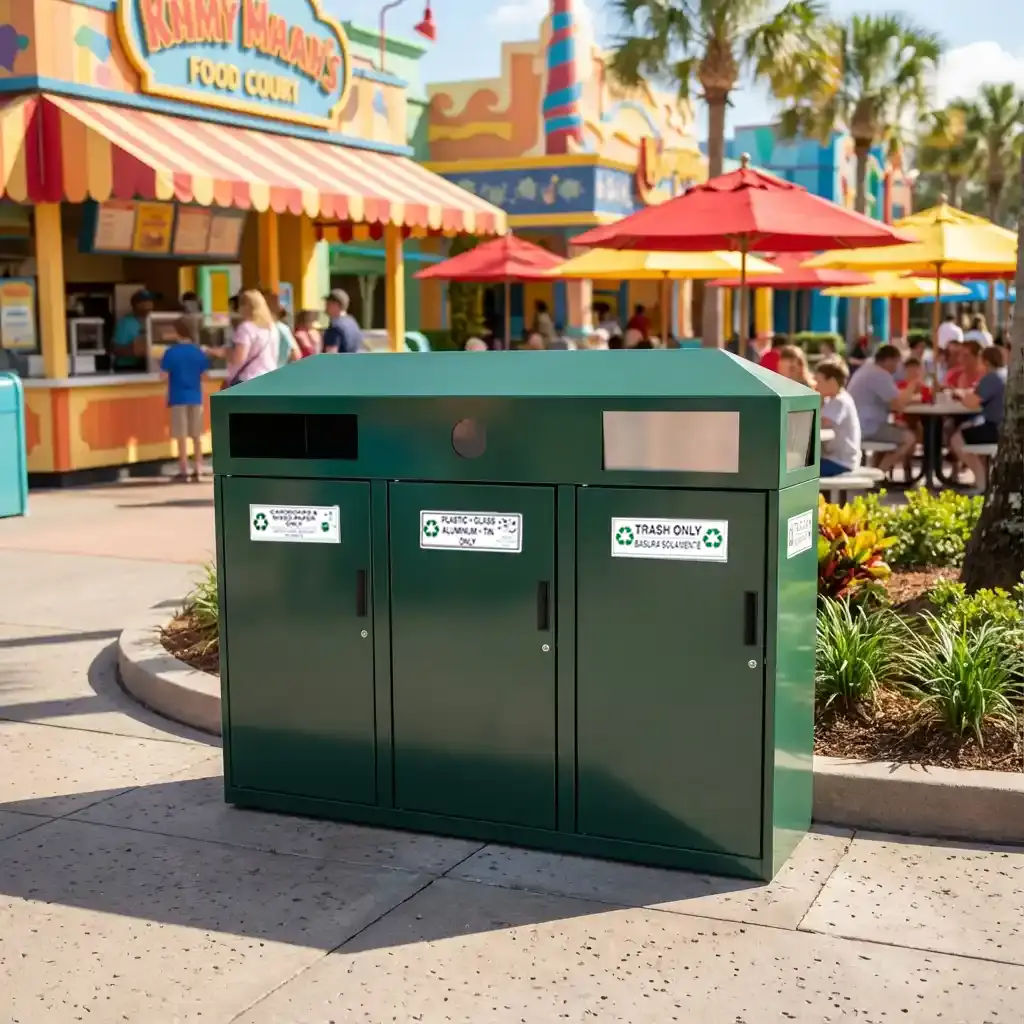
- Durable trash and recycling receptacles
- Bike racks
- Dog park equipment and waste stations
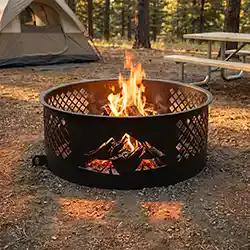
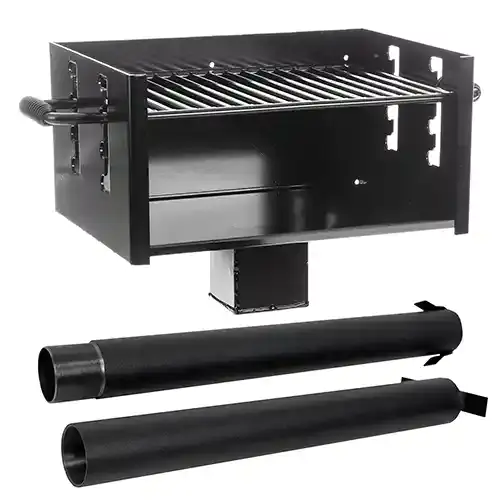
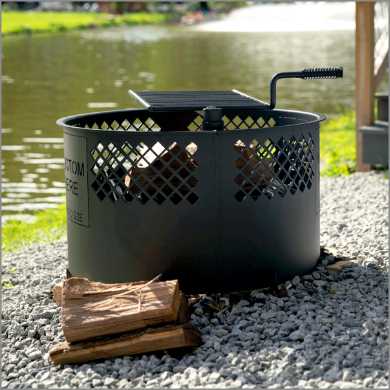
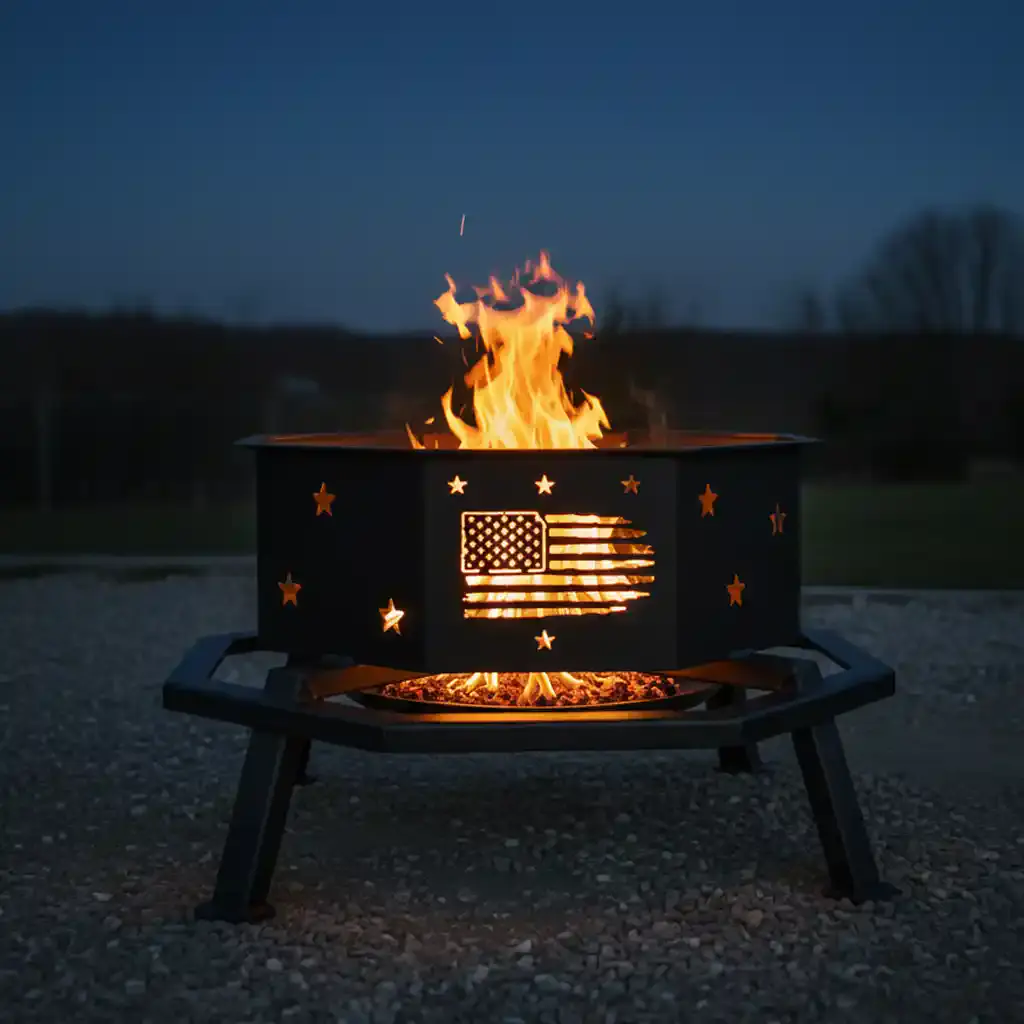
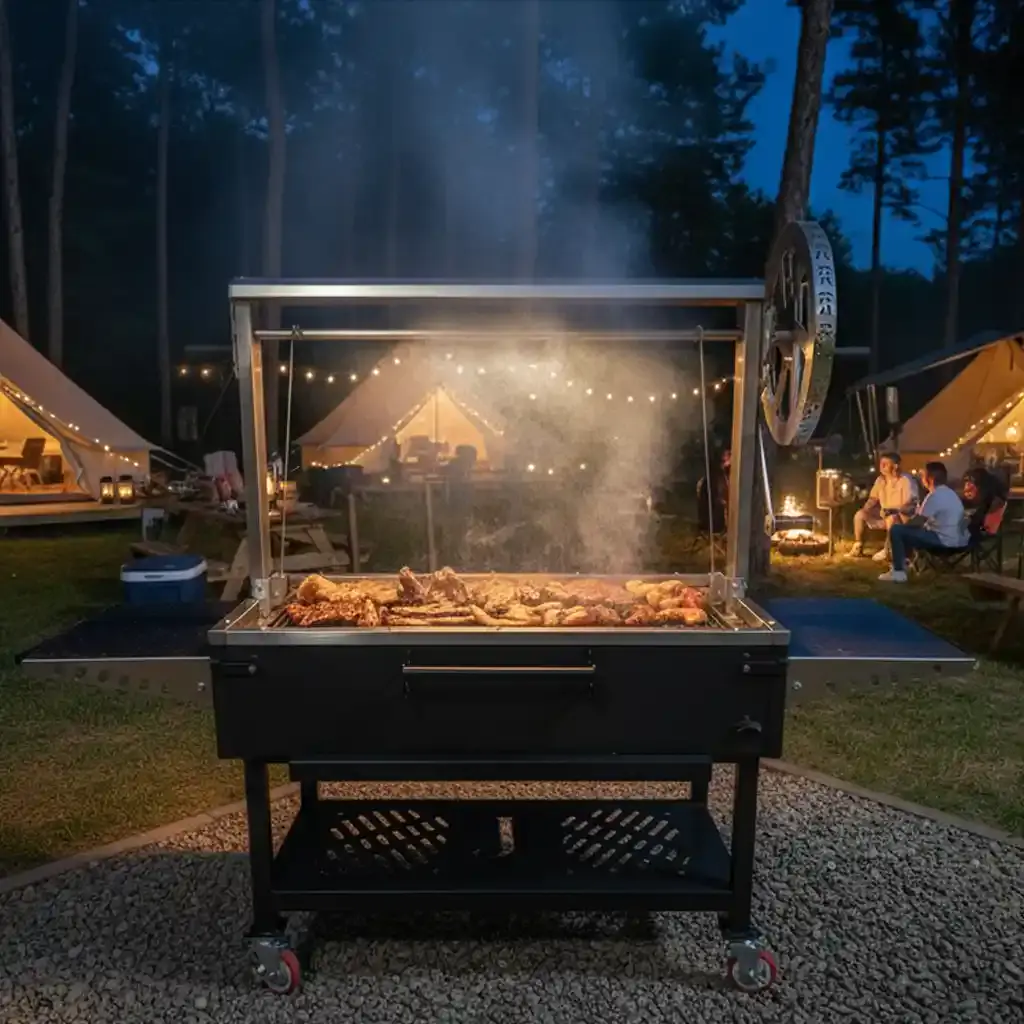
- Commercial park grills
- Fee posts where payment or permits are required
- EV charging stations
The right combination will depend on the type of park, visitor traffic, available parking, maintenance capabilities and the activities the site is intended to support.
Why Should Accessible Picnic Tables Be Included in Public Parks?
Accessibility should be part of park planning from the beginning rather than treated as a later upgrade.
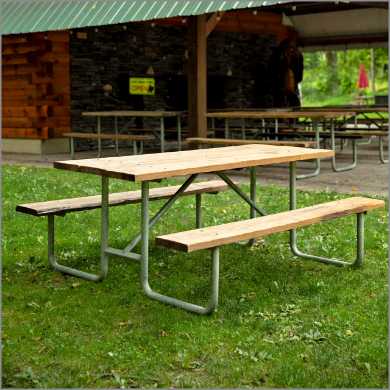
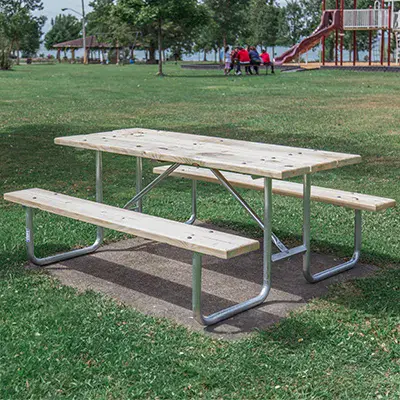
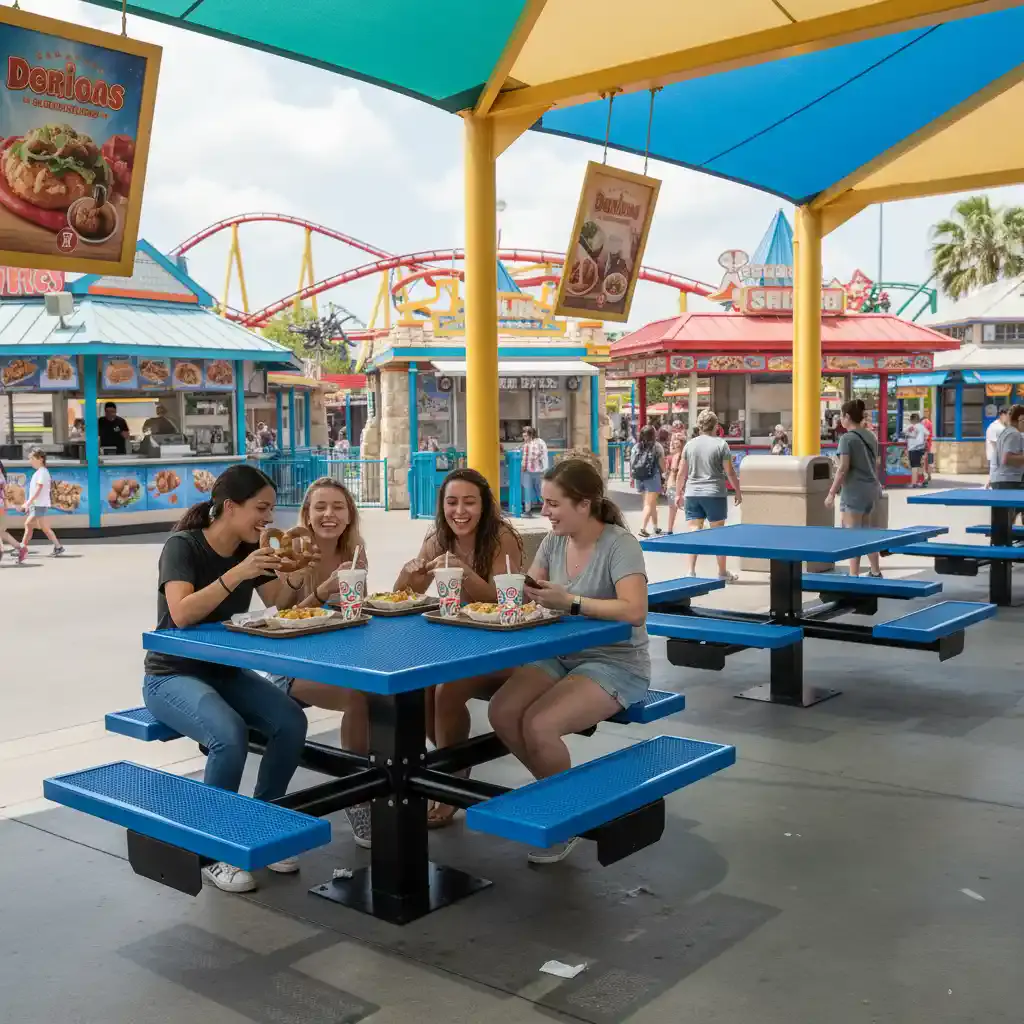
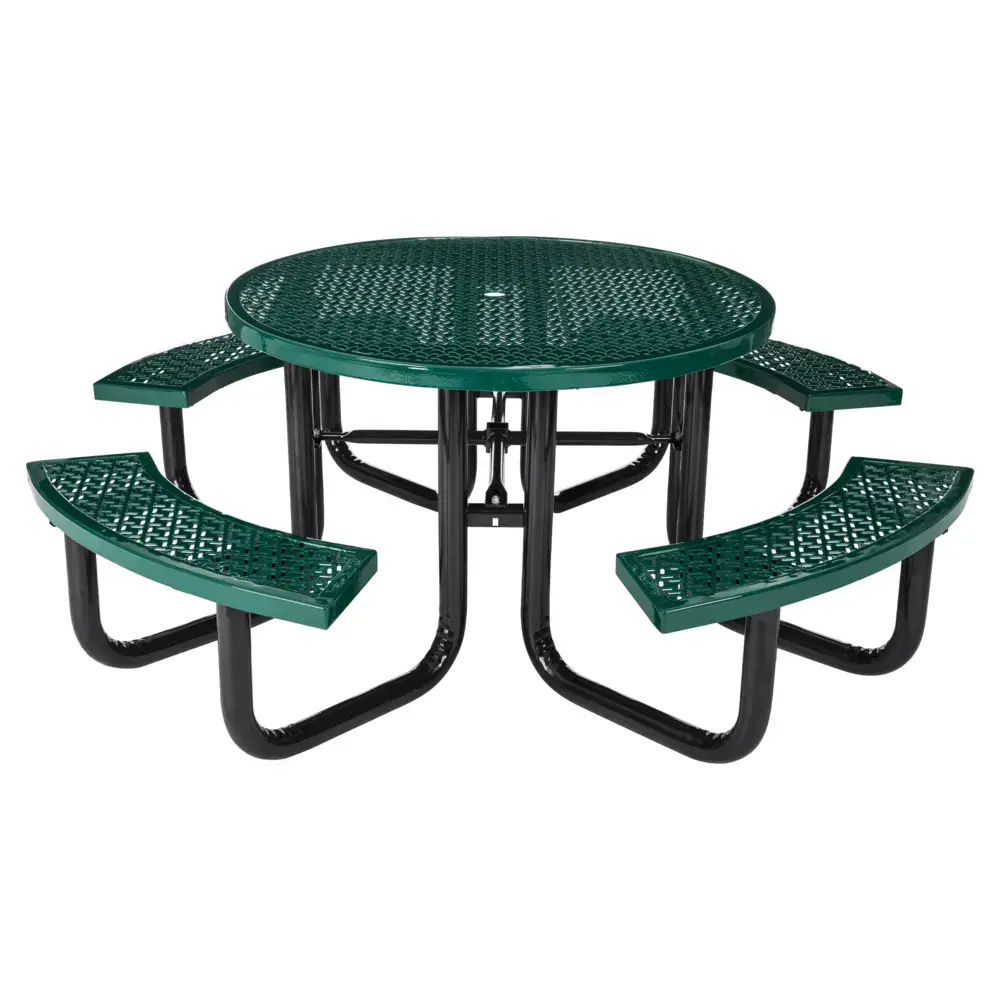
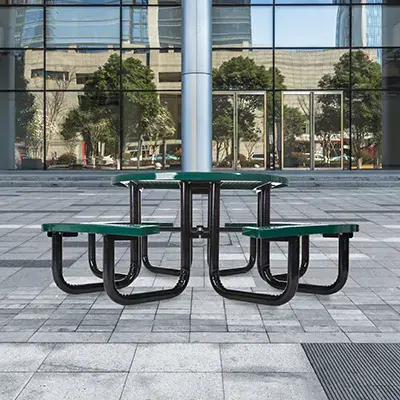
ADA-accessible picnic tables help municipalities provide usable gathering areas for visitors who use wheelchairs or other mobility devices. The design of the table, surrounding surface and circulation space should all be considered during site planning.
Jamestown Advanced Products offers ADA-accessible picnic table configurations designed with extended tabletop areas and knee clearance for wheelchair access. Universal Access table options are also available for projects requiring additional flexibility.
When selecting tables, municipalities should also consider:
- The accessible route leading to the table
- The surface beneath and around the table
- Required clear space around seating positions
- Table placement relative to parking, shelters and restrooms
- Materials that can withstand continuous outdoor exposure
Accessibility works best when the entire site functions together rather than when individual accessible products are installed in isolation.
Are Recycled Plastic Benches a Good Choice for Municipal Parks?
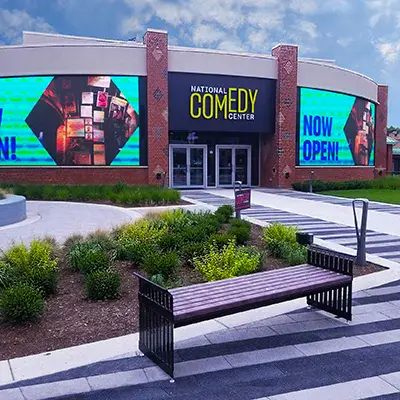
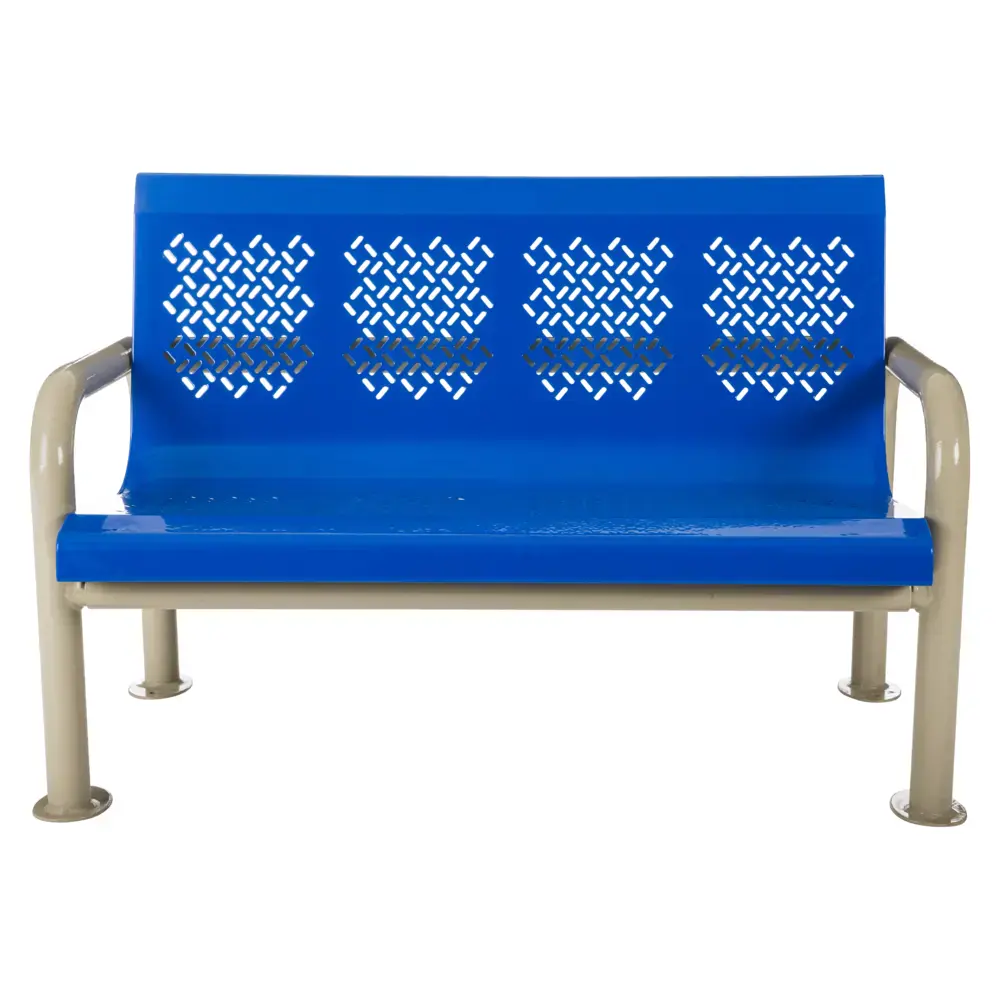
 For municipalities trying to reduce long-term maintenance, recycled plastic seating can be a practical alternative to traditional wood.
Jamestown Advanced Products offers recycled plastic lumber as an option on several bench styles. The material is made using post-consumer and post-industrial plastics and is designed to resist rot, decay and UV damage. It also eliminates many of the maintenance concerns associated with exposed wood seating.
Recycled plastic benches can work particularly well along:
- Walking trails
- Playgrounds
- Sports fields
- Community gathering spaces
- Waterfront areas
- Picnic areas
- Municipal plazas
Municipal buyers should also think beyond the seating material itself. Frame construction, mounting method and placement are important. Depending on the model, Jamestown Advanced benches are available with options such as powder-coated or galvanized frames and pad-mount or in-ground installation.
For parks that receive heavy public use, choosing lower-maintenance materials can help reduce the time employees spend repainting, repairing or replacing site furnishings.
What Type of Trash Receptacles Should a Public Park Have?
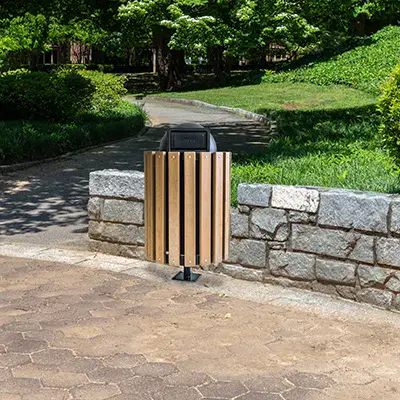
Trash receptacles may not be the most noticeable park amenity, but they have a major effect on how clean and well-maintained a park feels.
Trash receptacles should be placed where waste is actually generated, including near:
- Picnic areas
- Parking lots
- Trail entrances
- Sports fields
- Playground areas
- Dog parks
- Grills and shelters
- Park exits
The receptacle itself should also match the environment.
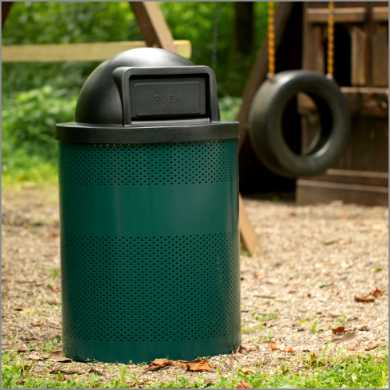
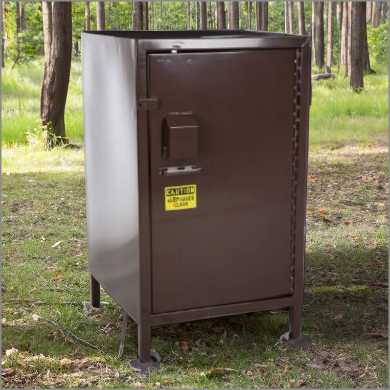
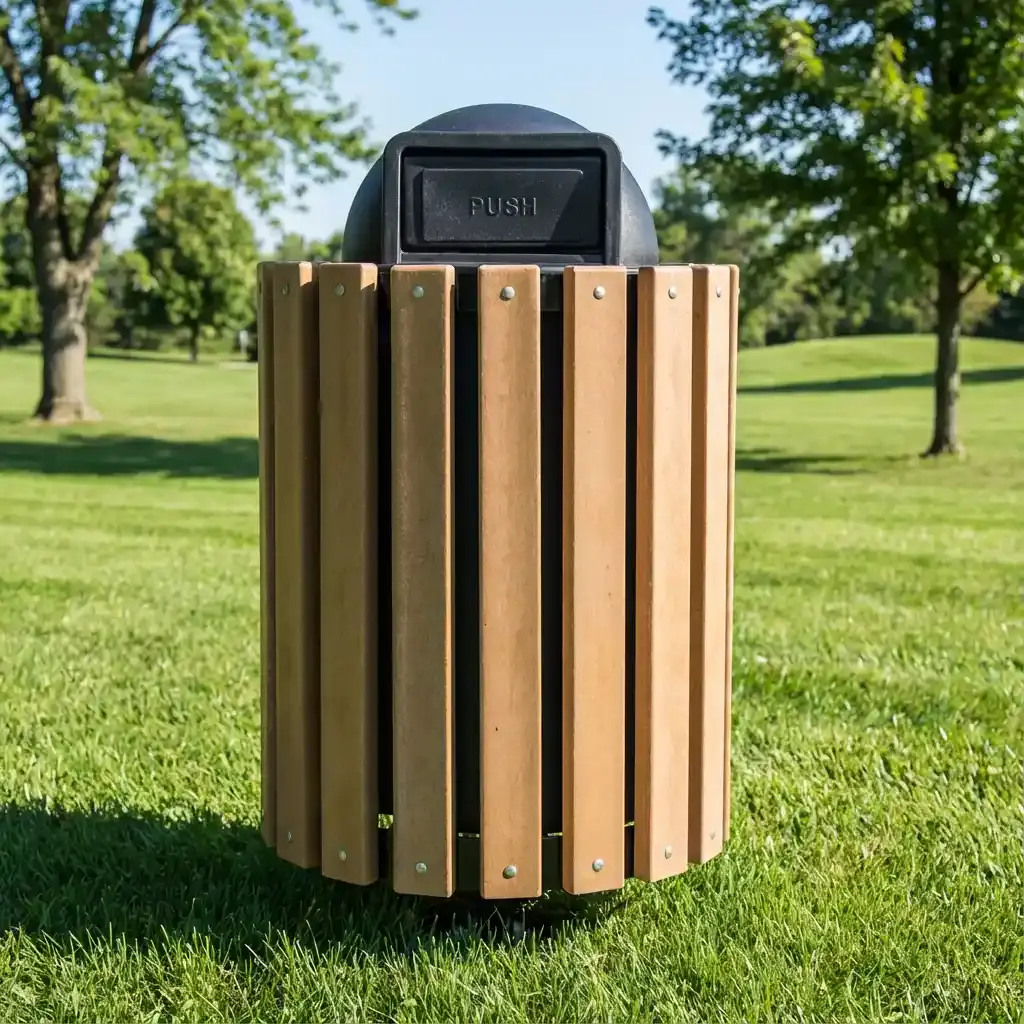
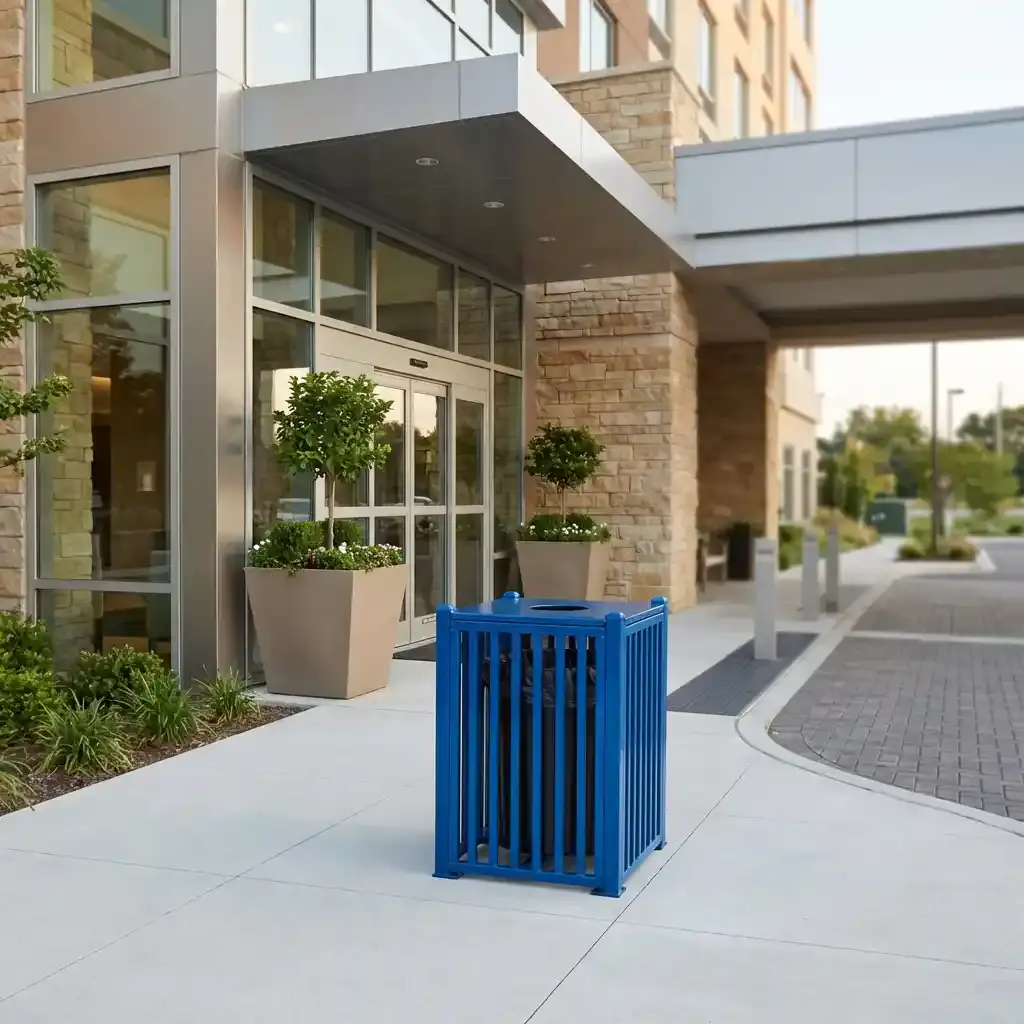
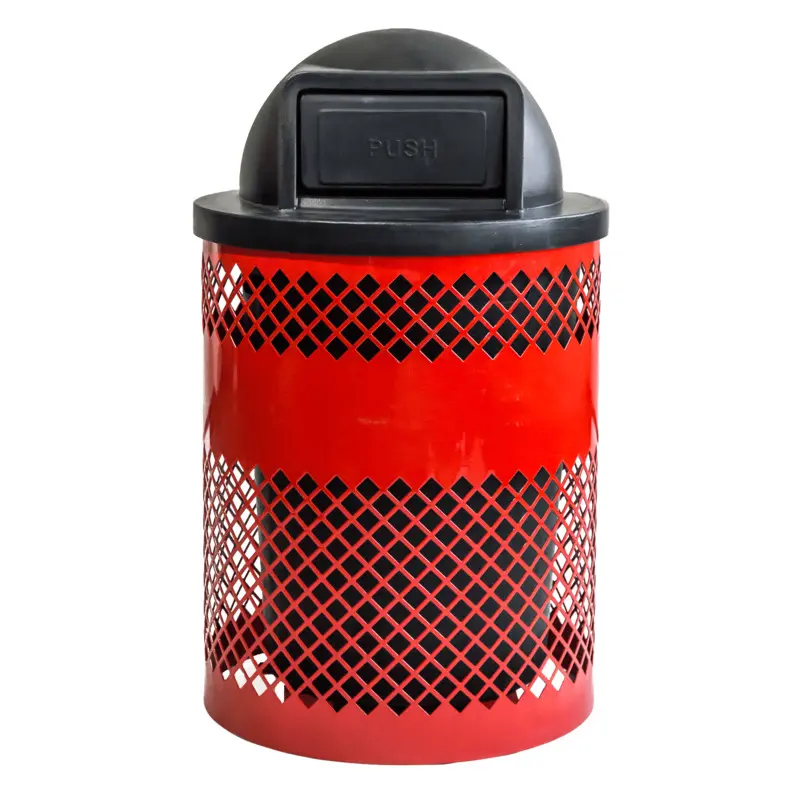
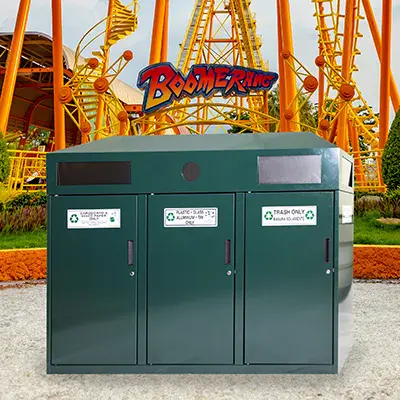
Jamestown Advanced Products offers multiple commercial receptacle styles, including decorative, slotted, perforated and animal-resistant options. Trash and recycling configurations are available for parks where separating waste streams is a priority.
In areas where wildlife regularly accesses trash, an animal-resistant receptacle may be a better investment than a standard open container.
Municipalities should evaluate capacity, liner access, collection frequency and the ability of maintenance crews to service each receptacle before deciding on quantity and placement.
Why Should Parks Include Bike Racks?
Bike parking is becoming an increasingly important part of connecting parks with neighborhoods, trails and downtown areas.
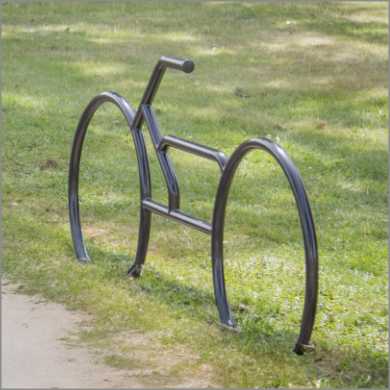
Installing commercial bike racks provides visitors with a designated place to secure bicycles rather than locking them to fences, signs, benches or trees. It can also help municipalities support active transportation and trail networks without requiring major new infrastructure.
Jamestown Advanced Products offers multiple bike rack configurations, ranging from traditional multi-bike racks to bollard-style designs.
Bike racks are especially useful near:
- Trailheads
- Playground entrances
- Sports complexes
- Community centers
- Downtown parks
- Waterfront parks
- Picnic shelters
- Restrooms and concession areas
Placement matters. Bike parking should be easy to find and close enough to the destination to be convenient without obstructing pedestrian circulation.
What Should Municipalities Include in a Public Dog Park?
 A successful municipal dog park requires more than fencing and an open grass area.
Waste management should be one of the first considerations. Dedicated dog waste stations give visitors convenient access to bags and a designated place to dispose of pet waste. Jamestown Advanced Products offers commercial dog waste stations along with mounted dog park equipment such as dog bone jumps, agility walks, A-frames and wait tables.
A well-planned dog park may include:
- Dog waste stations
- Separate areas for different dog sizes where appropriate
- Benches for owners
- Agility equipment
- Shade
- Durable walking surfaces near entrances
- Convenient trash disposal
- Clearly defined entry and exit areas
Municipalities should choose equipment based on the available space and expected use rather than trying to fill every portion of the dog park. Open running space remains important.
Customized colors and logos can also help dog park furnishings coordinate with the municipality's overall park system.
Are Grills Still Important Amenities for Public Parks?
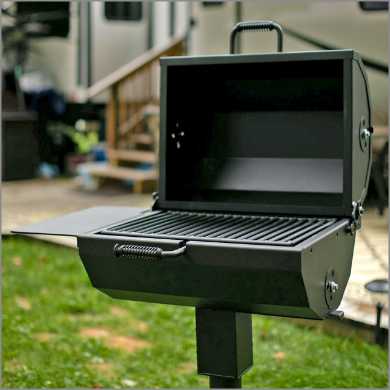
Yes. Commercial park grills remain a practical amenity for picnic areas, shelters, campgrounds and community gathering spaces.
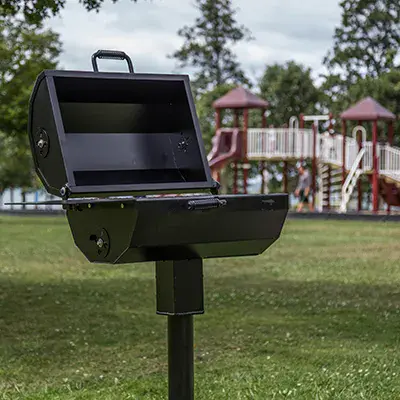
Unlike residential grills, municipal grills need to withstand repeated public use and constant outdoor exposure. Municipalities should evaluate the size of the cooking area, adjustability, installation method and accessibility requirements when selecting a model.
Jamestown Advanced Products currently offers several grill configurations, including standard park grills, fully adjustable grills, group grills, smoker-style grills and an ADA swivel-grate grill.
Standard grills are best for: individual picnic sites and smaller shelters.
Adjustable grills are best for: areas where visitors may want greater control over cooking height.
Group grills are best for: large shelters, reunions, community events and heavily used picnic areas.
ADA-accessible grill options are best for: sites where accessible recreation and cooking facilities are part of the overall park design.
Grills should be positioned with appropriate clearances and installed according to applicable local requirements.
When Does a Public Park Need a Fee Post?
Not every municipal park requires a fee collection system, but fee posts can be useful anywhere visitors need to make payments, register or display permits.
Potential locations include:
- Paid parking areas
- Boat launches
- Campgrounds
- Day-use areas
- Trail systems
- Special recreation areas
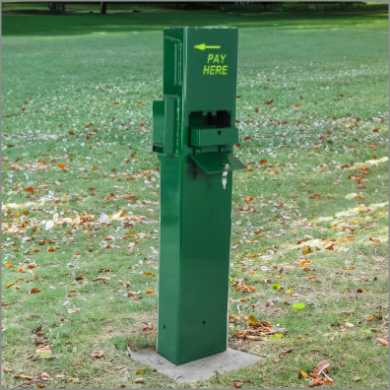
Jamestown Advanced Products includes fee posts within its commercial outdoor product lineup and provides specification resources for municipalities planning installations.
A durable physical fee post can provide a clear, permanent collection point even when a municipality also offers digital payment options.
Should Public Parks Install EV Chargers in 2027?
 Municipalities renovating parking areas should at least evaluate EV charging, even if chargers are not included in the first phase of the project.
Adding electrical infrastructure later can require additional excavation, pavement work and electrical upgrades. Considering EV charging while parking areas are already being designed or reconstructed can make future installation easier.
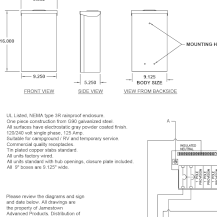
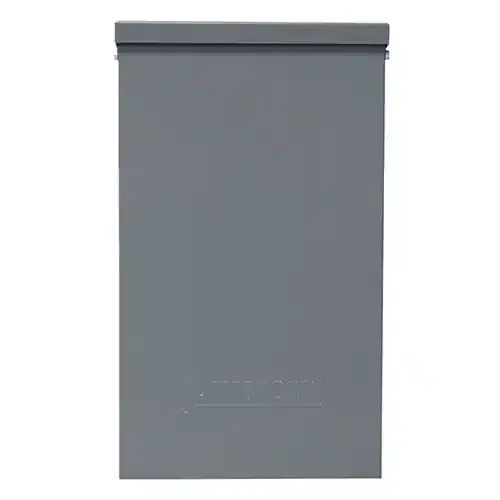
Jamestown Advanced Products offers Level 2 EV charging stations in pedestal- and pad-mount configurations. Current units feature an ETL-listed design and a NEMA Type 3R rainproof enclosure intended for outdoor use.
EV charging may make the most sense at parks where visitors typically remain for longer periods, including:
- Sports complexes
- Waterfront parks
- Trail destinations
- Campgrounds
- Large regional parks
- Event facilities
- Community recreation centers
Municipalities should work with qualified electrical professionals to evaluate service capacity, installation requirements, parking layout and applicable codes before purchasing equipment.
EV charging should be viewed as infrastructure rather than simply another piece of site furniture.
How Do the Top Public Park Amenities for 2027 Compare?
| Park Amenity | Primary Benefit | Best For | Key Purchasing Consideration |
|---|---|---|---|
| ADA Picnic Tables | Accessible gathering space | Picnic areas, shelters, community parks | Accessible routes and surrounding clear space |
| Recycled Plastic Benches | Durable, lower-maintenance seating | Trails, playgrounds, sports fields, plazas | Mounting style and frame finish |
| Trash Receptacles | Cleaner public spaces | Nearly every park area | Capacity, placement and maintenance access |
| Bike Racks | Supports cyclists and active transportation | Trails, downtown parks, recreation areas | Capacity and convenient placement |
| Dog Park Equipment | Adds dedicated pet recreation | Community and neighborhood parks | Space, waste management and durability |
| Commercial Grills | Supports picnics and gatherings | Shelters and picnic areas | Cooking capacity and accessibility |
| Fee Posts | Provides a centralized payment point | Boat launches, parking and paid recreation areas | Payment method and signage |
| EV Chargers | Supports EV visitors and future infrastructure needs | Destination and regional parks | Electrical capacity and parking layout |
Which Park Amenities Are Best for Different Types of Municipal Projects?
Best for neighborhood parks:
Recycled plastic benches, trash receptacles, accessible picnic tables and bike racks.
Best for picnic and pavilion areas:
ADA-accessible tables, commercial grills, trash receptacles and benches.
Best for trail systems:
Benches, bike racks, trash receptacles and fee posts where permits or parking fees apply.
Best for regional or destination parks:
EV chargers, bike racks, accessible tables, grills, trash receptacles and expanded seating.
Best for dog-friendly parks:
Dog waste stations, agility equipment, owner seating and conveniently located trash receptacles.
Best for parks with paid amenities:
Fee posts combined with clear signage and durable site furnishings.
What Should Municipal Buyers Consider Before Purchasing Park Equipment?
Start by evaluating how people actually move through and use the site.
Map entrances, parking areas, walking routes, shelters, recreation areas and major gathering points before choosing product quantities. This helps prevent equipment from being placed where it looks appropriate on a plan but is inconvenient in actual use.
Then consider:
- Expected traffic: High-use parks may justify heavier-duty materials and construction.
- Maintenance: Consider how often surfaces will need refinishing, cleaning or replacement.
- Accessibility: Review the complete accessible route, not just individual pieces of accessible equipment.
- Mounting: Decide whether pad-mount, in-ground or portable equipment makes the most sense for each location.
- Climate: Snow, rain, sunlight, moisture and other environmental factors should influence material selection.
- Visual consistency: Matching finishes and coordinated furnishings can create a more intentional park design.
- Replacement planning: Standardizing certain furnishings across multiple municipal properties can make future replacement and maintenance easier.
Jamestown Advanced Products offers multiple material and finish choices, including powder coating, thermoplastic finishes and recycled plastic lumber. Select site furnishings can also be customized with municipal colors and logos.
What Common Mistakes Should Municipalities Avoid When Upgrading Public Parks?
One common mistake is purchasing equipment individually without first creating an overall site plan. A bench, receptacle or bike rack may work well on its own but still create circulation or maintenance problems when placed incorrectly.
Other mistakes include:
- Treating accessibility as an individual product feature instead of a site-wide consideration
- Choosing furnishings based only on the lowest initial price
- Underestimating the number of trash receptacles a busy park needs
- Installing bike racks too far from popular destinations
- Creating a dog park without adequate waste stations
- Failing to plan concrete pads and mounting locations before equipment arrives
- Installing grills without considering nearby circulation and site layout
- Waiting until after parking construction to evaluate EV infrastructure
- Using too many unrelated styles, finishes or colors throughout one park
- Failing to consider how maintenance crews will access equipment
The best purchasing decision is not always the least expensive product on bid day. Municipalities should consider expected service life, maintenance requirements and how easily the equipment can be managed over time.
Why Choose American-Made Municipal Park Equipment?
Municipal purchasing decisions often extend well beyond appearance. Buyers may need dependable specifications, replacement parts, customization options, product support and predictable manufacturing.
Jamestown Advanced Products manufactures commercial outdoor products in Jamestown, New York. Its product lineup includes picnic tables, benches, grills, trash receptacles, bike racks, dog park equipment, fee posts, power products and other site furnishings for parks and public spaces.
Select products can also be customized with logos and colors. Jamestown Advanced provides a digital proof for customized projects before production, allowing municipalities to coordinate equipment with community branding, park identities or memorial projects.
Keeping manufacturing and customization capabilities in-house also gives municipalities a single source for many of the furnishings required throughout a park system.
FAQ: Public Park Must-Haves for 2027
What are the most important amenities for a public park in 2027?
The most important amenities include accessible picnic tables, durable seating, trash receptacles, bike racks, dog-friendly amenities, grills and other equipment appropriate for the park's intended use. Larger destination parks should also evaluate EV charging and other infrastructure needs.
Should every public park have ADA-accessible picnic tables?
Municipalities should evaluate applicable accessibility requirements and provide accessible recreational opportunities throughout the park system. Accessible tables should be incorporated into properly designed accessible routes and gathering spaces rather than considered separately from the surrounding site.
Is recycled plastic better than wood for park benches?
Recycled plastic can be a strong choice for municipalities prioritizing lower maintenance because it resists rot, decay and UV damage. Wood may still be appropriate where its appearance or other project requirements are preferred.
How many trash receptacles does a public park need?
There is no single number that works for every park. Receptacles should be concentrated near entrances, parking areas, picnic areas, playgrounds, shelters, dog parks, grills and other locations where visitors commonly generate waste.
Should a municipal park add a dog park?
A dog park can be a valuable addition when there is sufficient community demand, available space and maintenance capacity. Municipalities should plan for waste stations, owner seating, durable equipment and adequate open space.
Do public parks need bike racks?
Bike racks are particularly useful at parks connected to trails, neighborhoods, schools, downtown areas and cycling routes. They provide visitors with a designated location to secure bicycles and help keep bikes away from fences, trees and pedestrian areas.
Are EV chargers worthwhile for public parks?
EV chargers are worth evaluating at destination parks where visitors may remain for an hour or more. Even when chargers are not immediately installed, municipalities planning parking renovations may benefit from considering future electrical requirements while construction is already underway.
Can municipal park equipment be customized?
Yes. Select Jamestown Advanced Products furnishings can be customized with logos and colors, helping municipalities coordinate benches, tables, receptacles and other equipment with community or park branding.

